Setting goals is like creating a roadmap for your life. It gives you direction, purpose, and motivation to keep moving forward. By clearly defining what you want to achieve, you are more likely to stay focused and on track. Goals act as motivation, pushing you out of your comfort zone and propelling you toward growth and success.
Are you constantly setting goals but struggling to achieve them? You're not alone! Setting and achieving goals can be a challenging process, but with the right mindset and strategies, you can turn your dreams into reality.

Achieving goals also boosts confidence and self-esteem. Each milestone reached reinforces the belief that anything is possible with dedication and perseverance. Setting achievable goals empowers you to take control of your life's narrative – shaping it according to your aspirations rather than leaving things up to chance or circumstance.
The difference between long-term and short-term goals
Setting goals is a crucial step in achieving success, but it's essential to understand the distinction between long-term and short-term goals. Long-term goals are like the destination on a map – they provide direction for your journey. These are ambitious objectives that may take months or even years to accomplish. Short-term goals, on the other hand, act as stepping stones towards your long-term aspirations.
Short-term goals are more manageable and can be achieved within days, weeks, or months. They help you stay focused and motivated by providing clear milestones along the way to your ultimate goal. While long-term goals give you a sense of purpose and vision for the future, short-term goals ensure you make progress consistently.
Balancing both types of goals is key to maintaining momentum and staying on track toward achieving your dreams. By breaking down big ambitions into smaller achievable tasks, you create a roadmap that leads you closer to success each day.
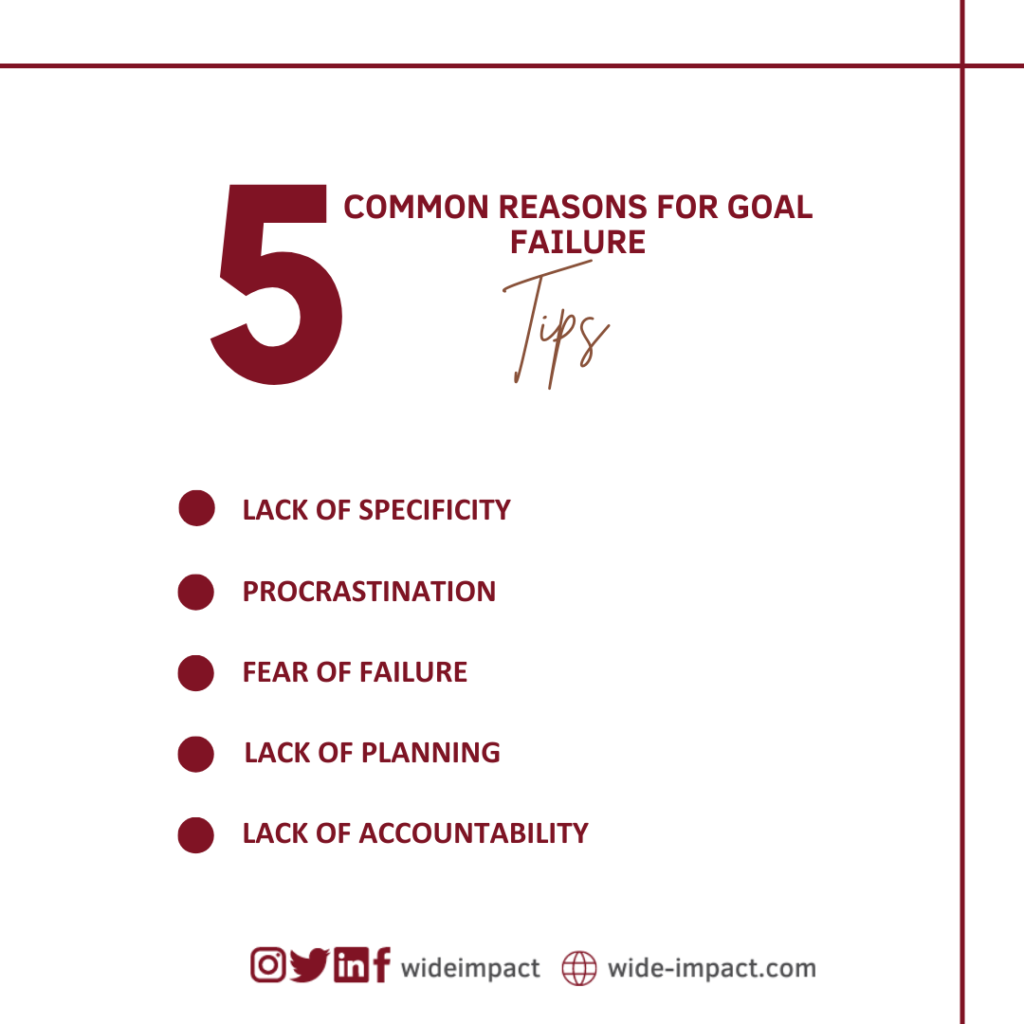
Common Reasons People Fail to Achieve Their Goals
Achieving your goals requires more than just wishful thinking; it requires determination, discipline, and a willingness to overcome obstacles. By identifying and addressing common reasons for goal failure and implementing practical tips and tricks, you can increase your chances of success and turn your dreams into reality. Remember, the journey to success may not always be easy, but it will be worth it in the end. So don't give up – keep pushing forward, and you'll be amazed at what you can achieve.